
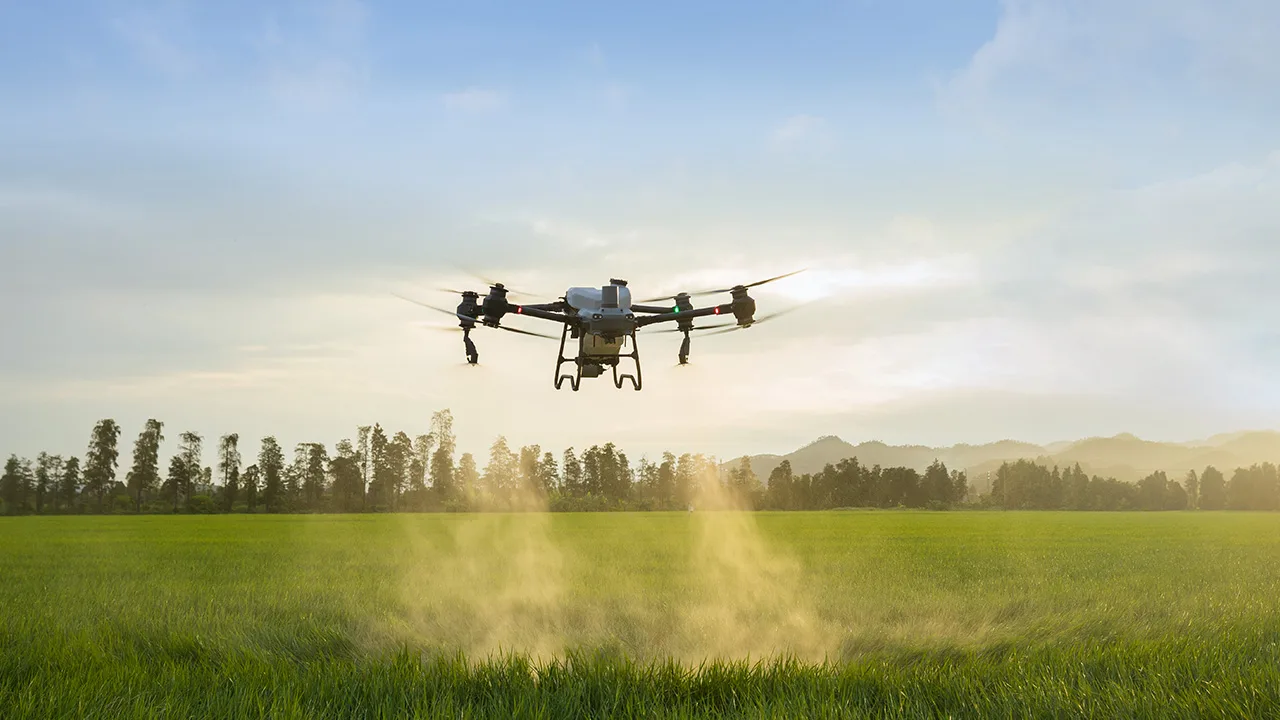
Using Spraying Drones Based on Weather Conditions
26 November 2024
Spraying drones offer a modern solution for agricultural production. However, weather conditions must be taken into account for these devices to be used effectively. Spraying in suitable weather both increases efficiency and prevents damage to plants. This article provides detailed information on using spraying drones according to the weather.
Spraying drones offer a modern solution for agricultural production. However, weather conditions must be taken into account for these devices to be used effectively. Spraying in suitable weather both increases efficiency and prevents damage to plants. This article provides detailed information on using spraying drones according to the weather.
How Weather Conditions Affect Spraying
The Effect of Wind
- Wind speed and direction affect how the sprayed chemicals are distributed.
- Spraying is not recommended when wind speed is above 10 km/h.
- A wind blowing in the wrong direction can carry chemicals to non-target areas.
Precipitation
- Rain after spraying can wash off the chemicals and reduce their effect.
- It is important to check the forecast and choose a dry period before spraying.
- If there is a chance of rain, spraying should be postponed.
Temperature and Humidity
- Extreme temperatures can reduce the effect of chemicals and harm plants.
- When humidity is low, chemical evaporation speeds up and efficacy may drop.
- For ideal spraying, the temperature should be between 15-25°C and relative humidity above 50%.
Planning Spraying Around the Weather
Monitoring Weather Forecasts
- Follow current weather forecasts to determine the best time for spraying.
- Rely on daily and hourly reports rather than long-range forecasts.
- Use local weather apps to get information about wind and precipitation.
Choosing the Right Equipment
- Choose spraying drones that withstand different weather conditions.
- In windy weather, use drones with heavier, more powerful motors.
- Make sure the drone's sensors and GPS system are working properly.
Scheduling Spraying Times
- Prefer times when the wind is low, such as early morning or late afternoon.
- Avoid spraying in the middle of the day, especially when temperatures are high.
- Chemical efficacy reaches its maximum during calm periods.
Tips for Safe and Effective Use
Post-Spraying Checks
- Check whether the chemicals were effective in the target area.
- Check for unwanted drift into the surroundings caused by wind.
- Clean the drone's propellers and spraying system.
Training and Awareness
- Make sure operators are trained to understand the effects of weather conditions.
- Learn how to use chemicals appropriately for the weather.
- Do not neglect protective and safety equipment while operating the drone.
Alternative Approaches
- Avoid spraying on windy or rainy days.
- Adjust the spraying schedule flexibly when needed.
- Follow local climate conditions and plan your farming operations accordingly.
Spraying carried out with attention to the weather minimizes environmental impact while improving crop quality and yield. Using drones in the right weather conditions helps make agricultural processes more efficient and safer.